What is web tension control?
Web tension control is the process of keeping a moving web at a suitable and stable pulling force while it travels through unwind, process and rewind sections. Correct tension helps reduce wrinkles, web breaks, registration error and unstable winding.
Open-loop vs closed-loop tension control
Open-loop control estimates tension from roll diameter, speed or set parameters without direct feedback. Closed-loop tension control uses load cells or tension sensors to measure actual web tension and adjust a brake, clutch or motor drive through the tension controller.
Unwind, rewind, infeed and outfeed tension control
Unwind tension control manages roll diameter change as material feeds into the line. Infeed and outfeed control isolate process sections. Rewind tension control supports finished roll quality and may use taper tension as the roll diameter increases.
Main components: tension controller, load cell, brake, clutch and motor control
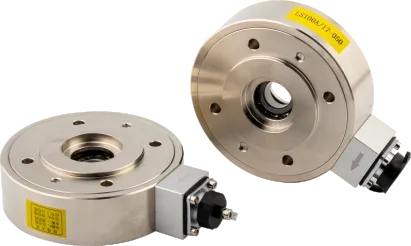
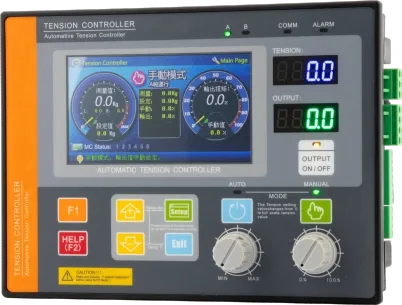
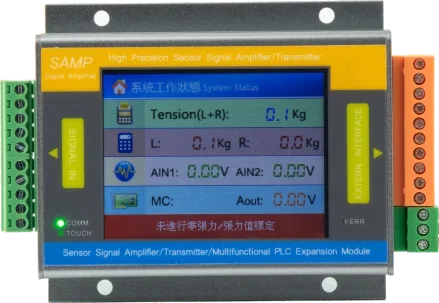
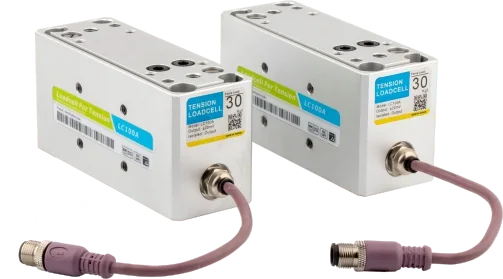
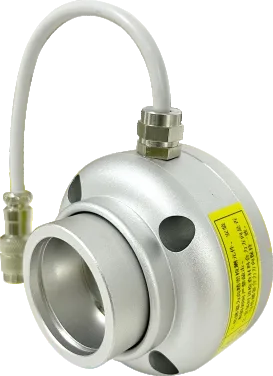
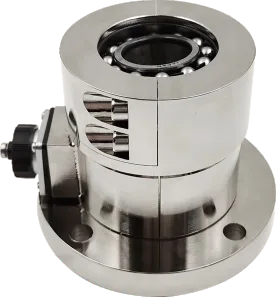
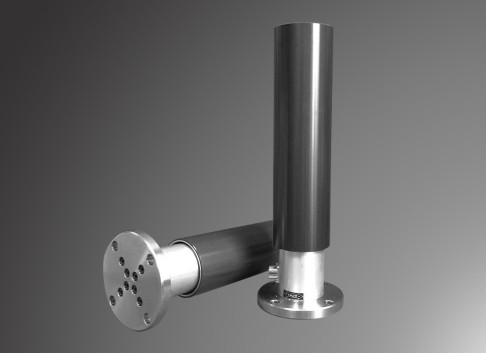
A closed-loop system needs four parts: a load cell or tension sensor, a signal amplifier, a controller such as the TC100 automatic tension controller, and an actuator that carries out the correction. KENDORIC supplies the first three. The actuator — a magnetic powder brake or clutch, a pneumatic brake, a torque motor or a servo drive — is normally the machine’s existing hardware or is sourced separately, and the control components are selected to work with it.
Common problems: wrinkles, web break, unstable winding and registration error
Unstable tension can create wrinkles, web break, loose or tight roll areas, telescoping, uneven winding and registration error in printing or converting processes. These symptoms should be reviewed with material type, roll diameter, line speed and roller layout.
How to choose a tension controller
Choose the controller according to control section, required tension range, feedback sensor, brake or motor interface, roll diameter change, line speed and whether the process needs constant or taper tension control.